
 Chadia Mathurin
There is a tendency, in certain quarters of the West, to tell the story of the African woman in one of two diminishing registers: she is either the battered subject of charity appeals, or she is a rhetorical flourish — “queen,” “empress” — deployed in songs that, not infrequently, also call her something far worse. Neither rendering has much to do with history. The actual record, should one care to consult it, is considerably more inconvenient for those who prefer their African women passive. It is a record of sieges held, coalitions built, parliaments entered, and wars — real wars, with real casualties — won.
What follows is not a comprehensive account. It is, rather, an introduction: five women whose lives suggest the range and seriousness of what African women have done, and what they have refused to accept.
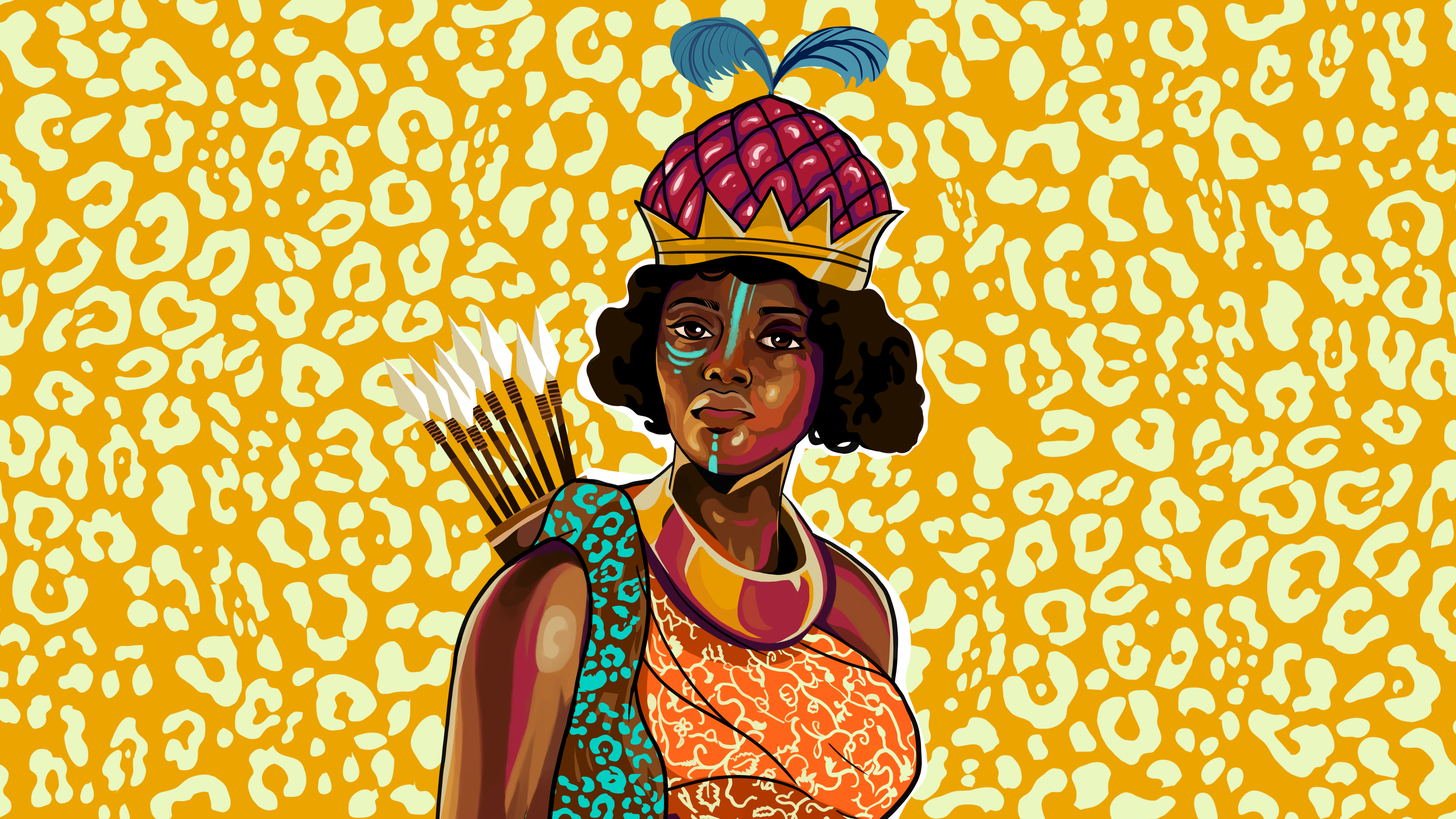
Nzinga
She was born, around 1582, in the Ndongo Kingdom, in the territory that is now Angola, and from the beginning she was not the sort of person anyone quite knew how to contain. By the time she came to rule the kingdoms of Ndongo and Matamba, she had already distinguished herself as a negotiator of rare skill — the kind of diplomat who understood that the table itself is a theater, and who arranged accordingly.
There is a famous story, possibly apocryphal but widely repeated, of her response to a Portuguese governor’s deliberate slight at a treaty meeting: finding no chair prepared for her, she gestured for one of her attendants to kneel, then sat upon his back and conducted the proceedings from that position. It was, in miniature, the posture she would hold for the rest of her life; refusing to be caught without ground beneath her.
Her reign would prove to be more than four decades of sustained resistance against Portuguese military and commercial ambitions — a campaign that the African-American historian and pioneer of Pan-African studies characterized as the work of the greatest military strategist ever to confront Portugal’s armed forces on the continent. Nzinga dispatched ambassadors across Central and West Africa, attempting to forge the kind of broad anti-colonial coalition that would not be seriously attempted again for centuries. She did not fully succeed. But the Portuguese, despite their reinforcements and their guns, never fully subdued her, either. She died in 1663, at the age of eighty-one, still in the field.
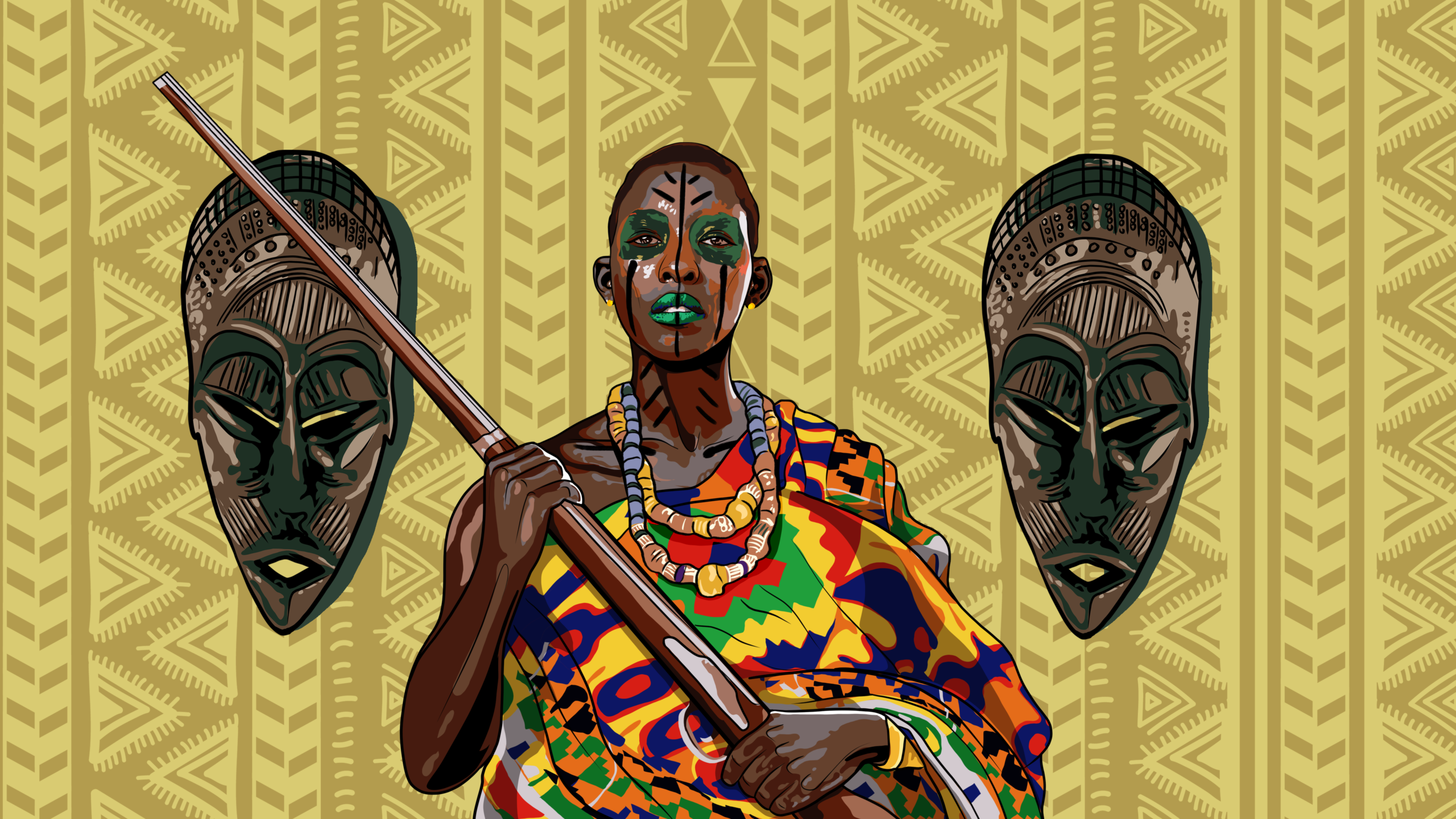
Yaa Asantewaa
In 1900, the British governor of the Gold Coast made a demand that the Asante chiefs must have found, even by the standards of colonial presumption, remarkable: he wanted the Golden Stool — the sacred seat of Asante sovereignty, the object around which the entire political and spiritual identity of the kingdom was organized — brought to him so that he might sit upon it. The Asante king had already been deposed and sent into exile. Now this?
A council of chiefs convened to determine how to answer the governor’s demand. The mood, by several accounts, was one of paralysis — the men deliberating between petition and submission, unable to arrive at anything that resembled resistance. Some proposed sending a formal appeal. Yaa Asantewaa, the queen mother of Ejisu, reportedly had little patience for this. She is said to have told the assembled men that if they would not fight, the women would. She then led them in doing exactly that.
For four months, Asante forces under her command held the British garrison at Kumasi’s Fort inside its own walls — a siege that the British, eventually, were only able to break by sending fourteen hundred reinforcement troops from the coast. Yaa Asantewaa was captured and exiled to the Seychelles, where she died in 1921. The war she led is remembered as the last major armed resistance on the continent to be commanded by a woman.
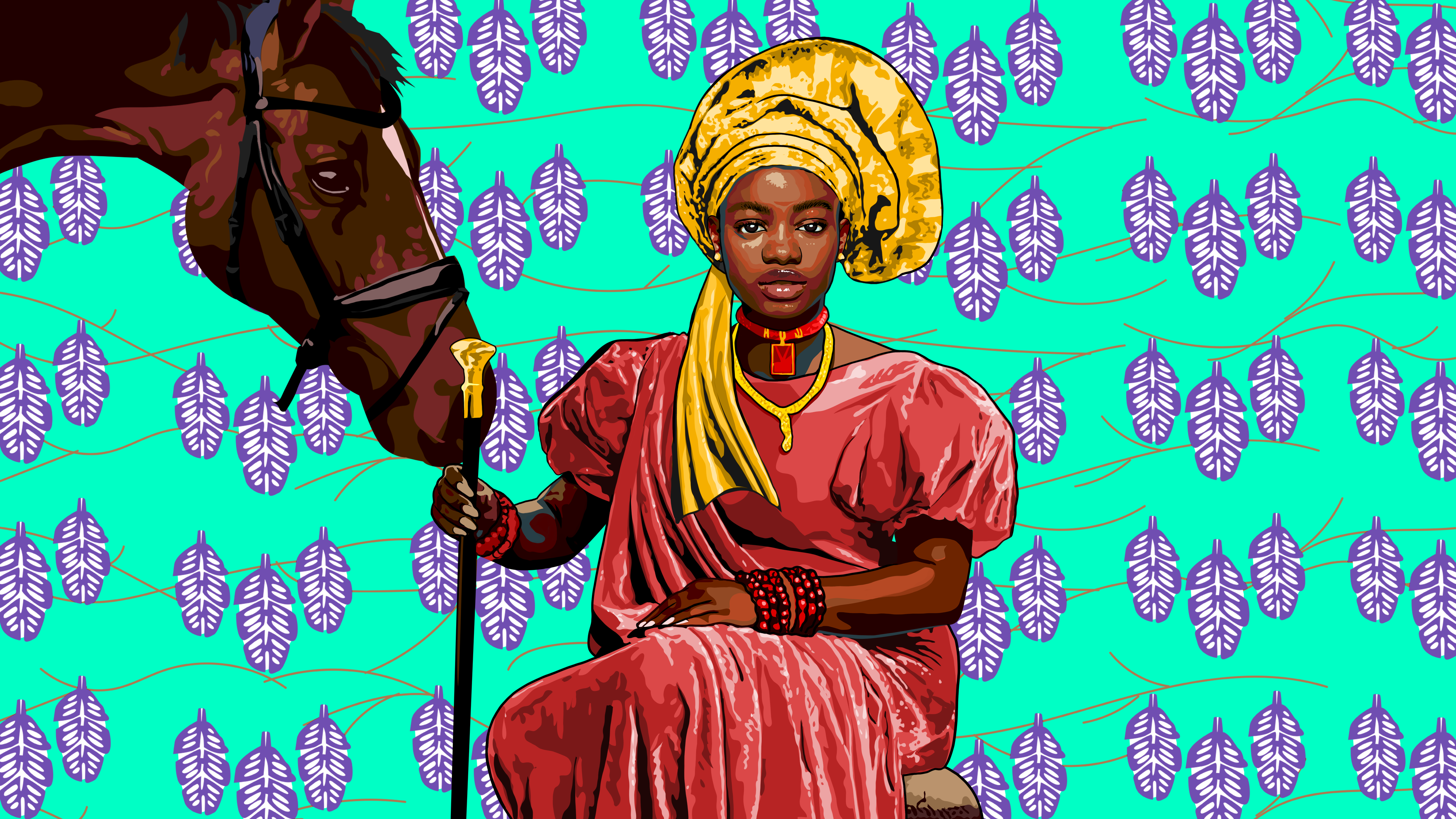
Amina Sukhera
‟These seven regions witnessed many unusual and strange events. The first to establish government among them, as it has been claimed, was Amina, the daughter of the Amir of Zakzak. She made military assaults upon these lands until she proclaimed herself over them by force. The lands of Katsina and Kano were forced to hand over levy to her. She also made incursions into the lands of Bauchi until she reached the Atlantic Ocean to the south and west. She died in a place called Attaagar. It was for this reason that the kingdom of Zakzak was the most extensive among the kingdoms of Hausa, since Bauchi included many regions.”
Sankore Institute of Islamic African Studies
Born around 1533 in Zazzau, in what is now Kaduna State in northern Nigeria, Amina inherited a kingdom and then, by most accounts, refused to stop there. She was a military commander of the first order, extending Zazzau’s reach across the Hausa states and, according to historical record, all the way to the Atlantic. She never married. She introduced the cultivation of kola nuts. She built the earthen defensive walls — still called Amina’s walls — that defined the architecture of fortified towns across the region.
A chronicle preserved by the Sankore Institute of Islamic African Studies records her campaigns in terms that leave little ambiguity about the scale of her ambitions: Katsina and Kano paid tribute. Bauchi fell within her reach. She died, as conquerors sometimes do, in the field — at a place called Attagar — and left behind the most extensive kingdom the Hausa states had yet produced.
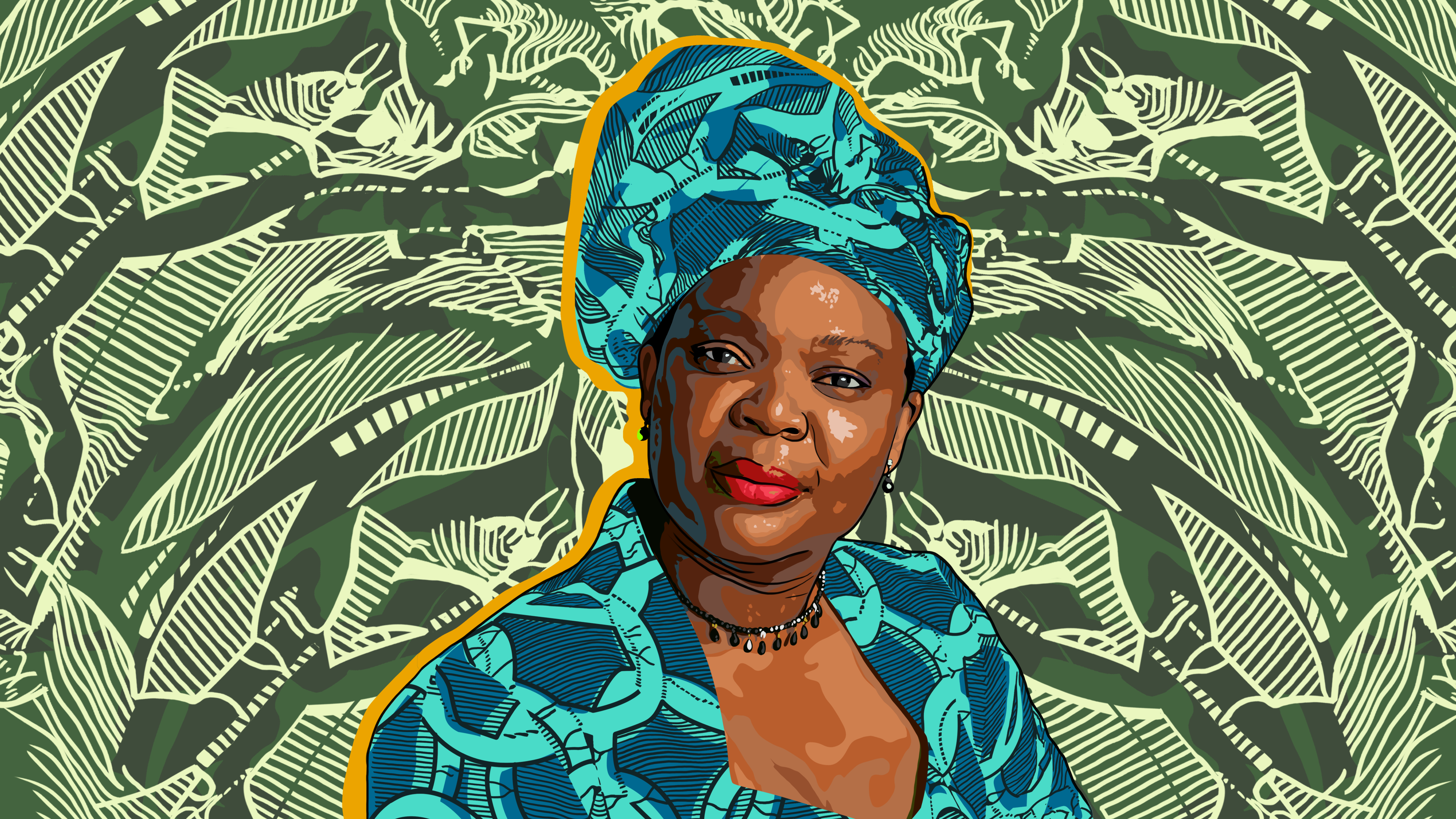
Leymah Gbowee
The Liberian civil war lasted fourteen years and killed two hundred and fifty thousand people. By 2003, when it finally ended, the country had been hollowed out — its institutions, its infrastructure, its basic social fabric. The peace did not arrive by itself.
Leymah Gbowee, a trauma counselor who had spent years working with the war’s survivors, launched her intervention while the guns were still firing. In 2003, with the conflict grinding toward its brutal conclusion, she organized something that had not quite been done before: a sustained, cross-confessional women’s protest movement, drawing together Christian and Muslim women across Liberia’s fractured ethnic lines, demanding an end to the fighting. The women prayed. They sat in the street. They threatened — and in some accounts carried out — a sex strike, on the grounds that the men conducting the war might respond to personal consequences when political ones had failed to move them. When Charles Taylor’s delegation arrived in Ghana for peace negotiations, the women followed. When talks threatened to collapse, they blockaded the negotiating room and refused to move. The delegations, who had been deadlocked for weeks, returned to the table. The peace agreement was signed within a fortnight. The African Union called Gbowee a “peace warrior.” In 2011, she was awarded the Nobel Peace Prize. That same year, Ellen Johnson Sirleaf — whose path to the presidency had been cleared, in part, by the peace Gbowee helped secure — became the first woman to serve as head of state anywhere on the African continent.
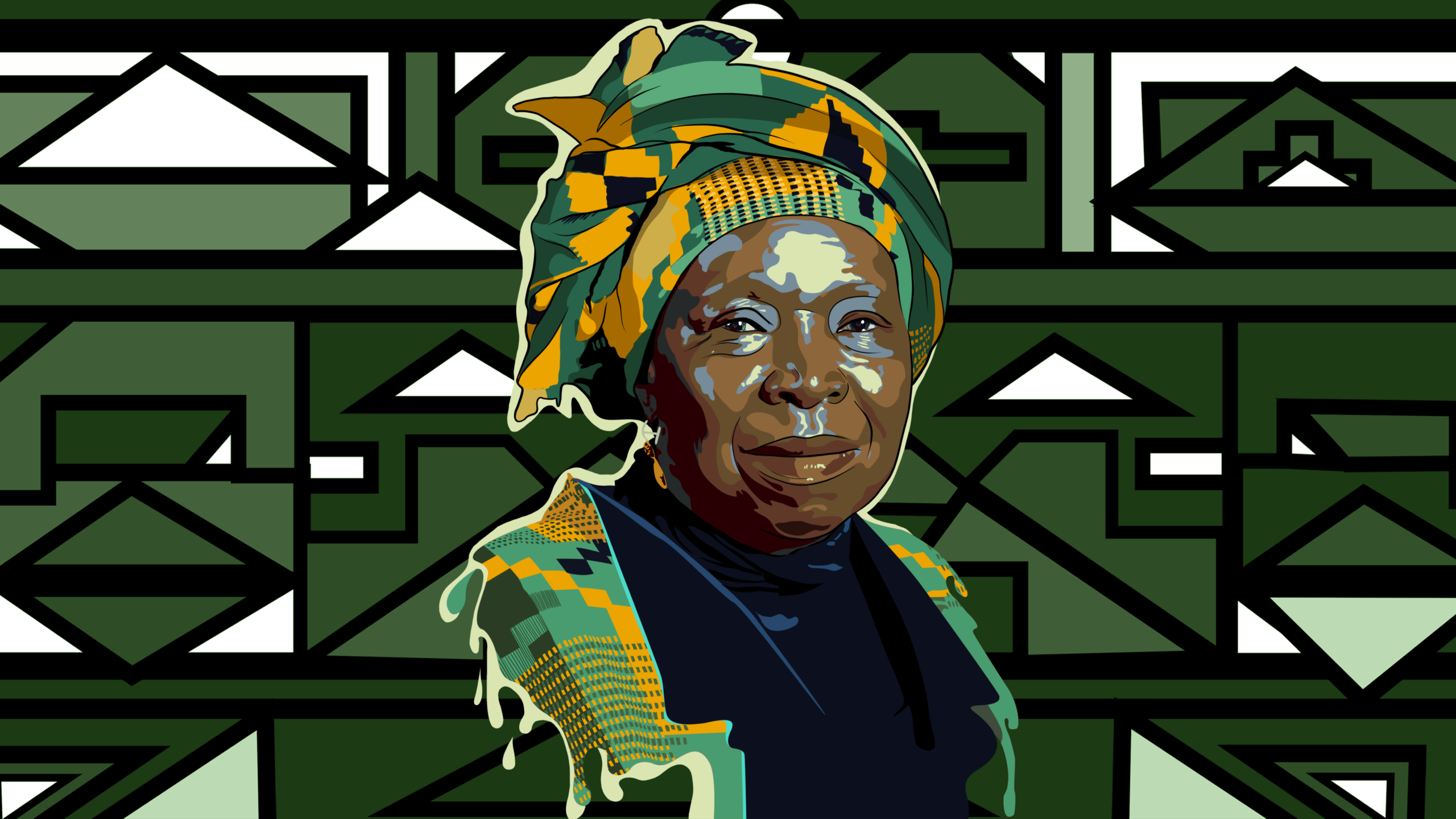
Nkosazana Dlamini-Zuma
To come of age as a Black woman in apartheid South Africa and to decide, in that context, to pursue medicine and then politics is not merely ambition. It is a particular kind of defiance; a kind that requires not only courage but a very specific refusal to accept the terms that history has written for you.
Dlamini-Zuma became South Africa’s first female Minister of Health, then its first female Minister of Foreign Affairs, then, in 2012, the first woman to chair the African Union Commission. As the Chair of the African Union Commission she was the most powerful administrator on a continent of more than a billion people. Along the way, she oversaw the desegregation of South Africa’s health system and the introduction of free basic health care. The barriers she cleared were not abstract. They were the actual barriers that had told her, and millions of women like her, that there was a ceiling and they had reached it. She did not find it convincing.
These five women are not anomalies. They are evidence. The story of the African woman is not, and has never been, a story of passivity waiting for acknowledgment. It is a story that has simply, for too long, been told by people with an interest in getting it wrong.


 Chadia Mathurin

